Salt Protection starts with choosing a treatment suited to the concrete, its exposure, and the stage of the project. Bone Dry Products offers penetrating sealers for residential and commercial surfaces, along with a corrosion-inhibiting admixture for embedded metal in new concrete. A homeowner protecting an existing driveway has different needs from a contractor planning a reinforced parking structure. Consider whether the concrete is already in place, whether it will remain exposed, and whether reinforcing steel also needs protection. With those details, you can narrow the choices and build a practical plan for the surface you want to preserve.
How Can You Protect Concrete From Salt Damage?
Why Salt Exposure Deserves Attention
Winter maintenance and concrete protection belong in the same conversation. A driveway may look solid from the outside, but its exposure involves more than the traffic moving across it. Water, deicing salt, and changing temperatures all matter when selecting a treatment.
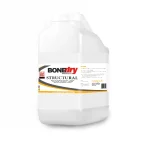
Water entering concrete can freeze and expand, contributing to cracking and spalling. Chlorides carried into reinforced concrete can also attack embedded steel. That creates two concerns to consider: the condition of the concrete itself and the condition of the reinforcement inside it. Bone Dry Structural Sealer is designed to resist chloride intrusion and freeze-thaw deterioration on exposed concrete.
For a homeowner, the starting question may be how to protect the driveway before another winter. For a property manager, it may be how to approach several walkways and a parking area together. A contractor planning a new structure has an earlier opportunity to make product selection part of the construction plan.
The useful next step is to describe the exposure clearly. Is the concern deicing salt on a residential surface, a commercial parking structure, or a reinforced project near saltwater? Each answer helps focus the discussion on the actual job.
Salt Protection for Residential Driveways, Patios, and Sidewalks
Bone Dry Driveway Sealer is made for outdoor residential concrete, including driveways, patios, and sidewalks. It penetrates the slab, creates protection below the surface, and helps prevent salt penetration. It also densifies the concrete and supports resistance to freeze-thaw damage, abrasion, flaking, and dusting.
The treatment dries clear and preserves the concrete’s natural texture and slip resistance. Bone Dry describes it as a permanent treatment for the life of the concrete, without a scheduled recoating cycle.
When planning a residential project, measure each area you want to treat separately. Include the driveway, connecting walk, and patio if all three are part of your goal. Note any areas with a different finish or previous treatment so those details can be discussed before ordering.
Think about the outcome you want as well. Are you trying to preserve the existing appearance? Do you have questions about application equipment? Would you like to complete the work yourself? Preparing those questions makes it easier to move from browsing products to choosing a treatment with confidence.
Commercial Concrete Needs a Project-Specific Plan
Commercial sites often involve several types of concrete within one property. A parking area, pedestrian plaza, delivery approach, and interior floor should each be identified in the project scope. Calling every area a concrete slab can leave important differences out of the conversation.
Bone Dry Structural Sealer is a permanent penetrating treatment for exposed concrete. Its listed applications include parking lots, parking structures, sidewalks, plazas, and other exposed flatwork. It is VOC-free and uses a single application. On new exterior flatwork, it can also function as the curing compound.
For a commercial Salt Protection project, organize the information by surface and use. Record which areas are new, which are existing, and which already have coatings. Include the anticipated work schedule and any specifications the project must follow.
This approach gives owners, contractors, and specifiers a shared starting point. It also helps frame better questions: Which product belongs on each surface? What preparation is required? How should application fit into the broader work plan? Resolve those choices before treating a large area or placing a bulk order.
Bone Dry Driveway Sealer is the product identified for residential concrete driveways, patios, and sidewalks. Start by measuring the area and noting any previous coatings or treatments. Confirm the current preparation and application requirements before beginning the work.
Bone Dry Structural Sealer is listed for commercial parking lots, parking structures, and exposed flatwork. Describe whether the concrete is new or existing and provide the project specifications. Those details help focus product selection and the application plan on the actual surface.
Yes. Bone Dry Corrosion Inhibitor is designed for embedded metal in reinforced concrete and is added to the fresh mix. Raise this question during planning so the product can be considered alongside the mix requirements and placement schedule.
Existing paint or coatings can prevent penetration. Identify the old treatment and discuss surface preparation before applying a new product. Bone Dry’s guidance calls for clean, porous concrete so the penetrating treatment can reach the slab.
Protecting Embedded Metal in New Concrete
When reinforcing steel is part of the project, include it in the protection discussion from the beginning. A surface treatment and an admixture occupy different places in the construction process, so timing matters when evaluating the available options.
Bone Dry Corrosion Inhibitor is a chloride-free, amine-based admixture designed to protect rebar and other embedded metal. It provides both anodic and cathodic corrosion inhibition. Bone Dry lists applications including parking garages, bridges, highways, coastal structures, and other reinforced concrete exposed to salt.
The product is added to fresh concrete at the batch plant or in the ready-mix truck. Bone Dry specifies a dose of 28 fluid ounces per cubic yard and identifies the product as ASTM C1582 compliant.
For a planned pour, gather the expected concrete volume, project specifications, and proposed placement date. Identify who will coordinate the mix and who will handle product selection. Those practical details help turn a general interest in corrosion protection into a decision that can be incorporated into the job.
Choose Salt Protection That Fits Your Concrete
Give your next concrete project a clear starting point. Whether you are planning a home driveway treatment, reviewing commercial flatwork, or preparing a reinforced pour, begin with the surface, exposure, and project stage.
Contact Bone Dry Products at 262-694-9748 or visit Bone Dry’s Website to discuss the appropriate product for your application. Bring your measurements and project details, and take the next step toward a concrete protection plan suited to your property.