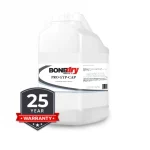
A Concrete Sealer for Logistics Flooring should help a concrete slab stand up to the constant movement, abrasion, and dust that come with busy distribution and warehouse environments. Bone Dry Li 200 Logistics is a lithium-based treatment developed specifically for concrete surfaces where durability and dust control matter. Instead of creating a film over the floor, Li 200 Logistics penetrates the concrete and reacts within its pore structure to help produce a harder, denser surface. It is suitable for new and existing concrete and uses a simple spray-and-leave application. For distribution centers, logistics facilities, and other demanding concrete spaces nationwide, Li 200 Logistics provides a focused way to strengthen the slab while helping control concrete dust.
What is the best concrete sealer for logistics flooring?
Concrete Sealer for Logistics Flooring That Works in the Slab
A logistics floor has a demanding job. Unlike concrete in a lightly used room, warehouse and distribution center slabs can face repeated traffic throughout the day. Carts, equipment, inventory movement, foot traffic, and everyday operations continually place stress on the concrete surface. When the upper layer of the slab is porous or begins to weaken, dusting and abrasion can become ongoing problems.
Bone Dry Li 200 Logistics approaches the issue from inside the concrete. The lithium-based formula penetrates the slab instead of building a conventional coating on top. Once inside the concrete pores, the treatment reacts and helps form additional calcium silicate hydrate, also known as C-S-H. This reaction contributes to a denser, harder surface and helps close pore space that would otherwise remain vulnerable to wear.
That makes Li 200 Logistics a practical Concrete Sealer for Logistics Flooring when the goal is to improve the performance of exposed concrete rather than conceal it. It dries clear, can be used on new or existing slabs, and is designed for interior or exterior concrete. For facility teams trying to limit dust and improve surface durability without adding an unnecessary topical layer, the product offers a direct answer to a common logistics flooring challenge.
Why Logistics Concrete Needs More Than Routine Cleaning
Concrete dust can easily be mistaken for a housekeeping issue. A floor starts producing fine powder, crews clean it up, and the space looks better temporarily. The problem is that cleaning removes the visible dust without changing the condition of the slab that produced it. If the concrete surface continues to wear, the cycle simply starts again.
In a logistics facility, that recurring cycle can become especially frustrating. The floor is a working part of the operation, not a decorative background. When concrete is exposed to frequent activity, small surface weaknesses can become much more noticeable. Dust can return, the floor can look worn, and maintenance teams may spend more time addressing symptoms that originate in the slab itself.
Li 200 Logistics is built around a different strategy. Rather than covering the floor and hoping the problem stays underneath, the treatment enters the concrete and reacts within the surface. The lithium chemistry supports C-S-H formation, helping harden and densify the slab where everyday traffic occurs. For businesses that want to address the concrete itself, this penetrating approach can be a better fit than treating dust as an endless cleaning task.
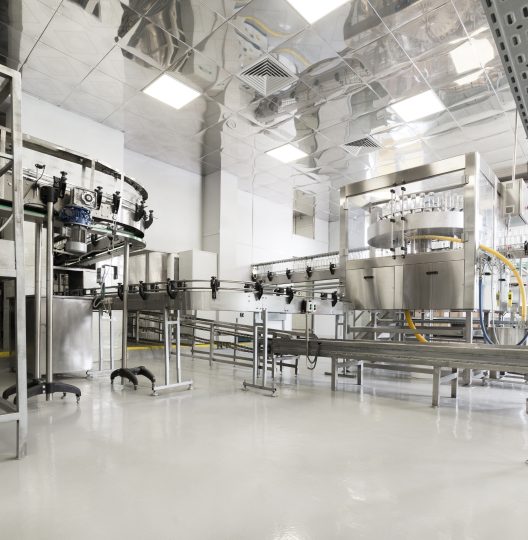
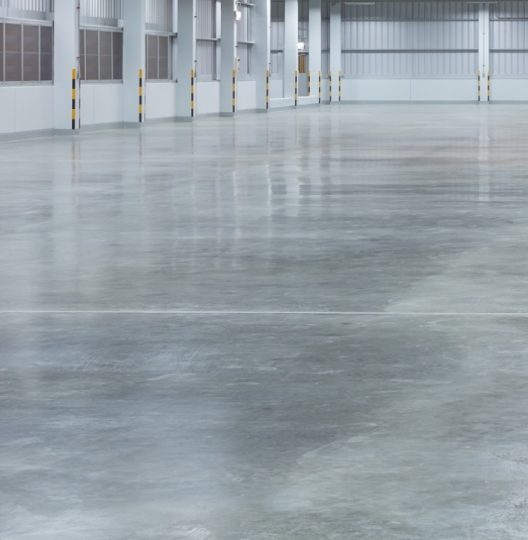
How Li 200 Logistics Hardens a Working Concrete Floor
Concrete contains pores that affect the character of its surface. When those pores remain open and the upper concrete is subjected to repeated abrasion, the slab can begin releasing dust and showing signs of wear. A treatment designed for logistics use needs to address that physical reality rather than simply change how the floor looks.
Li 200 Logistics uses lithium chemistry to work inside those pores. After the material is sprayed onto properly prepared concrete, it penetrates below the immediate surface. The chemical reaction contributes to the creation of additional C-S-H, an important component associated with hardened concrete. As this reaction occurs, pore space is filled and the upper surface becomes denser.
This process is what separates Li 200 Logistics from a conventional surface coating. The product does not depend on a soft film as the primary barrier between traffic and the concrete. Instead, it helps improve the concrete that traffic is actually moving across. For a logistics environment where a floor may be expected to remain exposed and functional, that distinction matters.
Choosing a Concrete Sealer for Logistics Flooring is therefore not only about asking whether a product seals. It is about understanding what happens after the material reaches the slab. Li 200 Logistics is intended to support harder concrete, better abrasion resistance, and reduced dusting through a penetrating reaction. For managers responsible for large working floors, those priorities are closely connected to long-term usability and easier day-to-day care.
Li 200 Logistics is designed to penetrate concrete rather than create a film that sits above it. After entering the open pores of the slab, the lithium-based formula reacts within the concrete and supports the development of additional C-S-H. That process helps make the surface harder and more resistant to dusting and abrasion. A topical product depends on a separate surface layer, while Li 200 Logistics is intended to become part of the concrete itself.
Yes. Bone Dry identifies Li 200 Logistics for both new and existing concrete. This gives owners and facility managers options when a logistics floor is already in service and needs additional dustproofing or surface hardening. Existing conditions still need to be considered before application because materials on the floor can affect how well a penetrating treatment reaches the concrete. Correct surface preparation is an important part of the process.
Yes. Distribution centers are specifically identified among the intended uses for Li 200 Logistics. These facilities often depend on large areas of exposed concrete that experience recurring traffic and abrasion. Li 200 Logistics is formulated to help harden the concrete surface, improve abrasion resistance, and reduce dusting, making its performance characteristics well aligned with the needs of logistics environments.
Li 200 Logistics dries clear and works through penetration and chemical reaction rather than by placing an opaque coating over the slab. Its purpose is to densify and harden the concrete surface while helping control dust. For facilities that want to keep the appearance and functionality of exposed concrete, that can be an advantage over systems designed to create a visibly separate layer.
A Straightforward Spray-and-Leave Application
A logistics flooring treatment should not create unnecessary complexity. Li 200 Logistics is applied using a spray-and-leave method designed to make the treatment practical for concrete surfaces where operations matter. The first step, however, is not spraying. The slab must be properly prepared so the treatment can penetrate the concrete rather than sitting on contaminants, residues, or incompatible surface materials.
Once the concrete is ready, Li 200 Logistics is sprayed across the floor and allowed to work. The product moves into the open pore structure and reacts within the slab. There is no need to approach it like a thick coating system that must build an entirely new surface above the concrete. Its role is to improve the characteristics of the existing slab by supporting densification and hardening.
Bone Dry indicates a return-to-traffic time of roughly two to three hours. That can be especially useful in logistics settings where taking a large floor area out of service for an extended period may be difficult. A simpler application does not mean preparation should be rushed, though. Concrete condition, previous treatments, porosity, and current surface quality can all influence how a penetrating product performs.
For that reason, product choice should be connected to the realities of the floor. A new distribution center slab and an existing facility floor may share the same need for dust control, but they may not require identical preparation. Li 200 Logistics gives contractors and facility decision-makers a specialized product for the treatment itself, while proper evaluation helps set the application up for the intended result.
Specify Li 200 Logistics for Your Facility
The floor in a distribution or logistics facility is too important to treat as an afterthought. When a concrete slab begins dusting or losing surface integrity, the effects can continue every day the facility operates. Choosing the right product early gives you an opportunity to address those conditions before they become a larger maintenance concern.
Bone Dry Li 200 Logistics is purpose-built around the needs that matter most for these slabs. It penetrates rather than forming a conventional film, uses lithium chemistry to support concrete densification, improves surface hardness and abrasion resistance, and helps reduce dust. It can be used on new or existing concrete and is suitable for interior and exterior applications. The spray-and-leave process also makes it a practical option for active facilities where downtime deserves careful consideration.
For contractors, facility managers, property owners, and project teams comparing options, the best Concrete Sealer for Logistics Flooring is one that matches the actual problem. If your objective is to strengthen exposed concrete, control dust, and create a harder working surface without relying on a separate topical layer, Li 200 Logistics deserves a close look.
Bone Dry Products serves B2B and B2C customers nationwide with concrete moisture and sealing solutions developed for real slab conditions. Contact Bone Dry Products to discuss your concrete floor, review Li 200 Logistics, and determine whether it is the right treatment for your logistics or distribution facility.